Your Cart is Empty
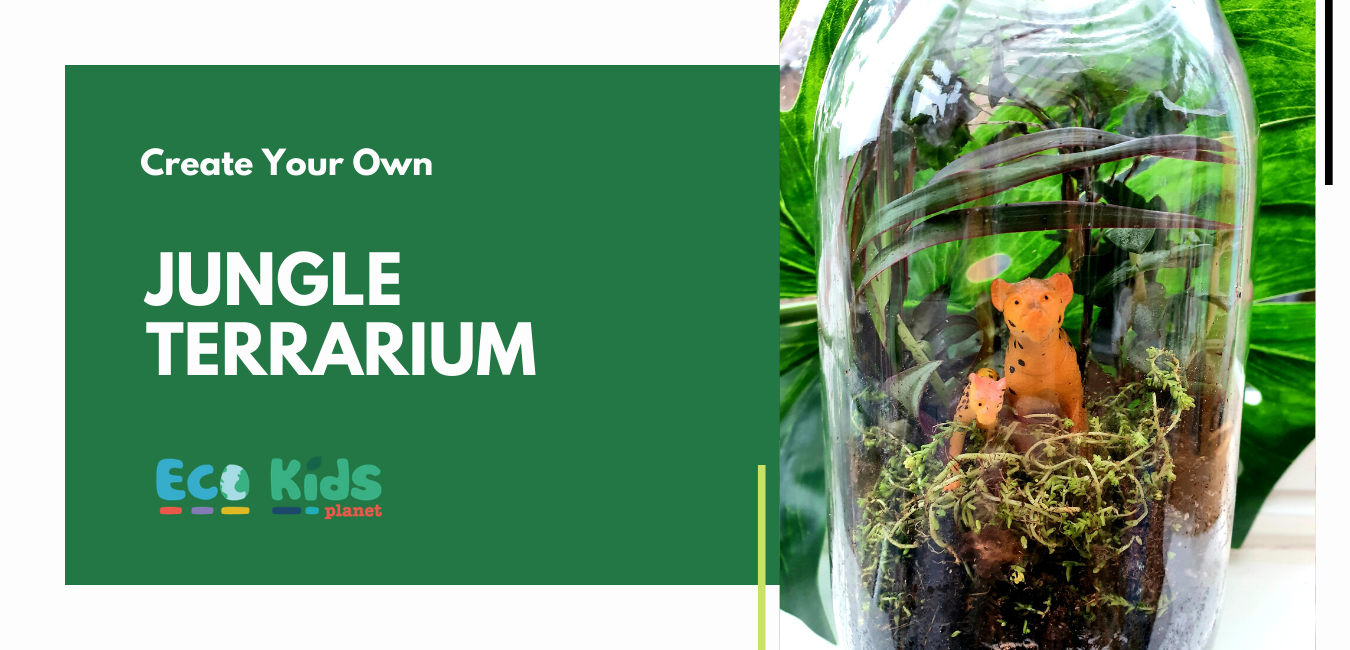
Making terrariums is great fun! They look tropically terrific and bring the wilderness indoors. They make growling good homes for big cat toys, or any other jungle animals you might have.
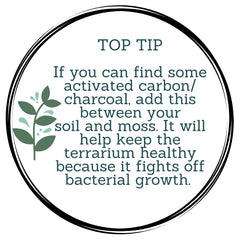
 Step 1: Fill the bottom of your jar with about 2cm of pebbles (make sure your pebbles are clean). This will help drain the water from the plants’ roots, to prevent them from rotting.
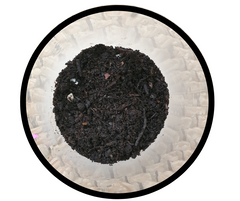


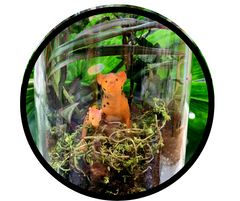
Step 6: Let the jungle dry out for a few hours and then put the lid on. This will help it become a self-sustaining jungle. Watch and see what happens to its water cycle. Store out of direct sunlight and open the lid every few weeks to give your plants fresh air.
Comments will be approved before showing up.

You've been designing brilliant new contenders for the Astonishing Amazon Animal Showdown – piranhas with jaws that regrow in whole quarters, a hoatzin that ferments its dinner in a throat pouch, a tailless whip scorpion that senses danger through its legs, and a jaguar with one of the most powerful bites of any mammal. Thank you to every reader who did the research and made the case for their champion.


This competition asked you to design a secret egg hidden somewhere in nature, and your entries went far beyond the obvious nests and burrows. Eggs arrived disguised as pine cones, floating on leaf boats, perched on volcano ledges, tucked into cloud cover and even masquerading as chocolate Easter eggs to fool foxes. Thank you to every reader who took up the challenge and thought like a parent bird, fish, reptile or imaginary creature trying to keep their precious egg safe.