Your Cart is Empty
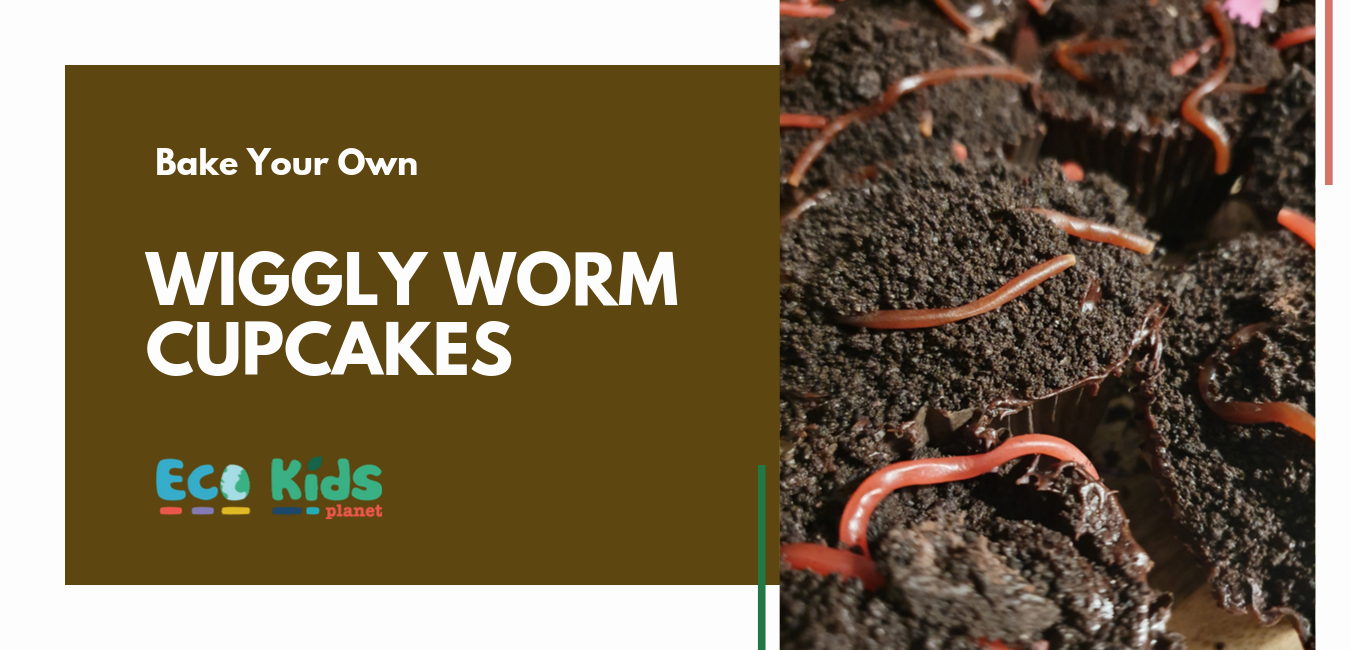
 Make a spooky surprise for trick or treaters this Halloween with our dirt and worm cupcakes. They are gooey, chocolatey, wiggly and scrummy! If you use plant-based milk, these are entirely vegan, too.
Step 1: Preheat the oven to 180°C (350°F or Gas Mark 4). Line a muffin tin with 12 cupcake cases.
Step 2: Put the milk (dairy or plant-based), oil, apple cider vinegar and vanilla extract in a large bowl. Whisk it all together.
Step 3: Sift in the flour, sugar and cocoa powder (sifting stops your cupcakes from being lumpy). Add the baking powder, bicarbonate of soda and salt to the bowl.

Step 4: Use a whisk (electric is easier) to combine everything into a glossy batter. Don’t forget to scrape the bottom and sides of the bowl as you mix.
Step 5: Pour your batter into a jug, then divide it among the cases, filling them two-thirds of the way up.

Step 6: Bake in the oven for around 15-18 minutes, until well risen, springy and firm. To check if they are ready, ask an adult to help you insert a skewer into the centre. It should come out clean. Allow to cool completely.
Step 7: Spread your chocolate icing over the top of the cupcakes.

Step 8: Blitz up your biscuits in a food processor. Gently tip the crumbs on top of the icing to make the soil. Save about one-fifth of the crumbs.

Step 9: Add your wiggly worms (or any other spooky minibeasts) to your cakes. Sprinkle your remaining crumbs on top to make your creatures look half-buried.

Comments will be approved before showing up.

This competition asked you to design a secret egg hidden somewhere in nature, and your entries went far beyond the obvious nests and burrows. Eggs arrived disguised as pine cones, floating on leaf boats, perched on volcano ledges, tucked into cloud cover and even masquerading as chocolate Easter eggs to fool foxes. Thank you to every reader who took up the challenge and thought like a parent bird, fish, reptile or imaginary creature trying to keep their precious egg safe.

We were swept away by the response to this competition. Letters arrived from rivers across the world – the Thames, the Mississippi and many more unnamed waterways – each one brimming with personality, passion and a genuine love of the natural world. You gave your rivers voices that were worried, hop...

Somewhere beneath a grassy field right now, a tiny insect is building an underground loudspeaker. Male mole crickets engineer horn-shaped burrows that amplify their calls hundreds of metres into the night air – and your child can recreate the same science at home using nothing but cardboard and a phone. This hands-on experiment explores sound, shape and natural engineering in a way that is genuinely surprising. No screens, no special equipment, just a brilliant idea borrowed from nature.