Your Cart is Empty

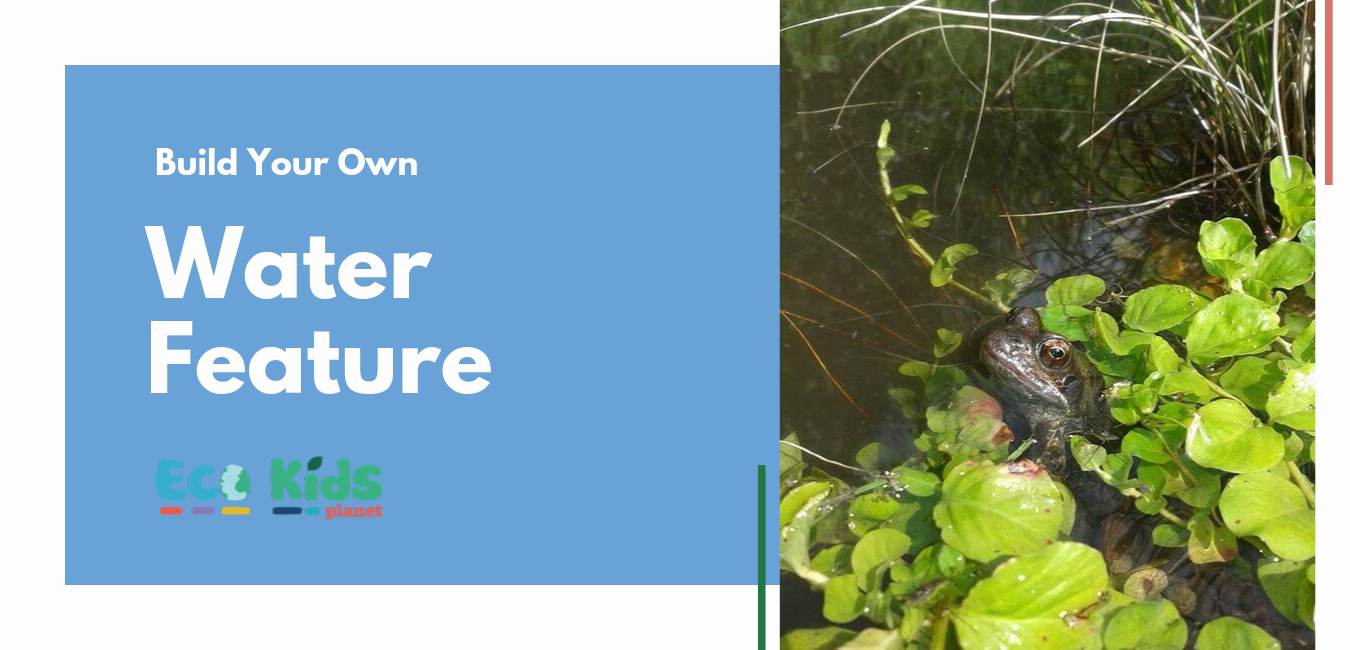
When we get hot, we want to cool off, and animals are no different. Even England can get very hot, and it’s not always easy for animals to find water. Building a little water feature is one of the best things you can do to help wildlife!
 Step 1: Dig a hole big enough to fit your bucket.
 Step 2: Pour some gravel or sand into the bottom of your bucket for insects to burrow into. Don’t use soil, because this might cause algae to grow and affect everything within your pond.
Step 3: Surround the pond with some smaller stones to make it look natural.
 Step 4: Make sure the animals can get out by putting an exit and entrance. This can be done by resting a couple of bricks, larger rocks or logs either side of your pond.
Step 5: Fill the pond! Rainwater is best so plan in advance and try to collect some from buckets and watering cans. However, you can also use tap water.
 Step 6: Add some pond plants! Ask at your local garden centre for pond plants that oxygenate (ox-ee-jenate) the water (meaning they create oxygen for the animals to breathe). Hornwort is a great plant to start with.
 Step 7: Now sit back and wait! Animals will love using your new water feature for a quick bath and, in a few months, it may even attract some frogs!
Comments will be approved before showing up.

You've been designing brilliant new contenders for the Astonishing Amazon Animal Showdown – piranhas with jaws that regrow in whole quarters, a hoatzin that ferments its dinner in a throat pouch, a tailless whip scorpion that senses danger through its legs, and a jaguar with one of the most powerful bites of any mammal. Thank you to every reader who did the research and made the case for their champion.


This competition asked you to design a secret egg hidden somewhere in nature, and your entries went far beyond the obvious nests and burrows. Eggs arrived disguised as pine cones, floating on leaf boats, perched on volcano ledges, tucked into cloud cover and even masquerading as chocolate Easter eggs to fool foxes. Thank you to every reader who took up the challenge and thought like a parent bird, fish, reptile or imaginary creature trying to keep their precious egg safe.