Your Cart is Empty

Synthetic ivory – a man-made material that looks and feels like real tusk – is sparking big conservation questions. Could it stop poaching and protect elephants, or might it make ivory seem more acceptable again?
We've put together the facts below – and we're also running a quick poll to hear what you think. You'll find it at the end of the post!
It's a man-made alternative to natural ivory, which is found in the tusks and teeth of animals like elephants, walruses, and even narwhals. Synthetic ivory is designed to look and feel like the real thing – but without harming wildlife.
Made from materials like milk proteins, durable plastics or even palm nuts (known as vegetable ivory), it's used in everything from jewellery and piano keys to restoring antiques.

Today, synthetic ivory isn't just a clever invention – it's part of a bigger shift toward cruelty-free materials. Brands are turning to eco-friendly, ethical substitutes, such as Elforyn and imitation ivory resin, to craft knife handles, musical instruments and decorative pieces.
The idea? Beautiful, functional designs that don't endanger a single animal.
Tusks aren’t just impressive, they’re an elephant’s essential survival tool. Elephants use them:
And here's a wild bonus: elephant footprints can collect rain and turn into mini watering holes – tiny ecosystems where frogs, insects and other small creatures thrive. Nature loves a multitasker.
But despite international bans, the illegal ivory trade still kills over 20,000 elephants every year.
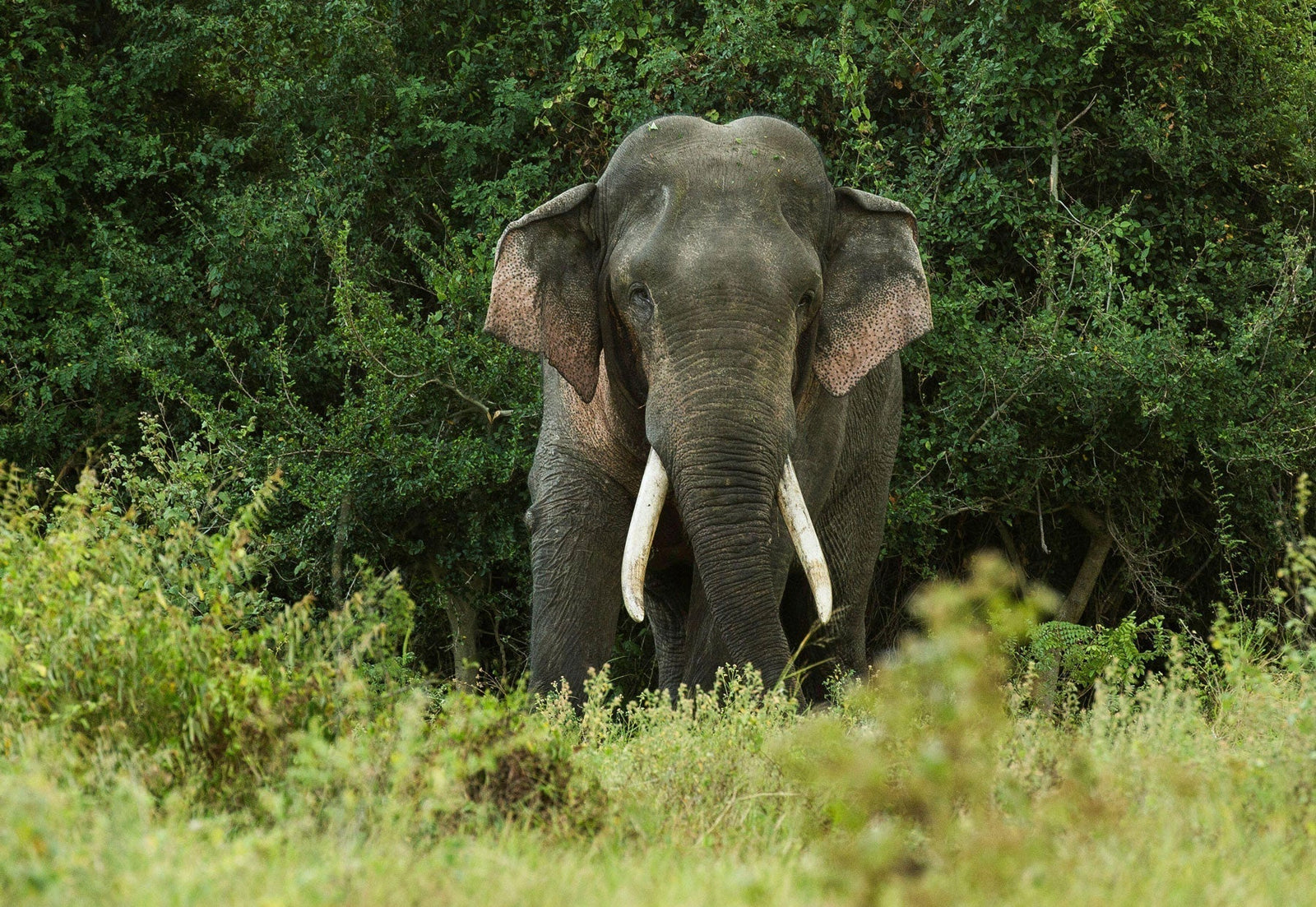
The effects are devastating. In Sri Lanka, decades of poaching have led to a dramatic genetic shift: fewer than 1 in 10 male elephants there now have tusks. Why? Because poachers targeted the largest, most majestic males – the ones with the most impressive ivory. Over time, fewer tusked males survived to pass on their genes.
The iconic tusk, once a proud symbol of strength and survival, is disappearing among Asian elephants.
Supporters of synthetic ivory say it could:
But others raise concerns:
We asked the Eco Kids Planet email community:
👇 Cast your vote below to reveal the results!
We'll keep this post updated as more of you weigh in, and may include highlights from reader comments and insights from conservationists in our next update.
🦷 From the Magazine:
This big question ties into our latest Tusk Titans issue, where we celebrate some of the planet’s most remarkable tusked creatures – from woolly mammoths to walruses.👉 Explore the issue
Comments will be approved before showing up.

This competition asked you to design a secret egg hidden somewhere in nature, and your entries went far beyond the obvious nests and burrows. Eggs arrived disguised as pine cones, floating on leaf boats, perched on volcano ledges, tucked into cloud cover and even masquerading as chocolate Easter eggs to fool foxes. Thank you to every reader who took up the challenge and thought like a parent bird, fish, reptile or imaginary creature trying to keep their precious egg safe.

We were swept away by the response to this competition. Letters arrived from rivers across the world – the Thames, the Mississippi and many more unnamed waterways – each one brimming with personality, passion and a genuine love of the natural world. You gave your rivers voices that were worried, hop...

Somewhere beneath a grassy field right now, a tiny insect is building an underground loudspeaker. Male mole crickets engineer horn-shaped burrows that amplify their calls hundreds of metres into the night air – and your child can recreate the same science at home using nothing but cardboard and a phone. This hands-on experiment explores sound, shape and natural engineering in a way that is genuinely surprising. No screens, no special equipment, just a brilliant idea borrowed from nature.