Your Cart is Empty

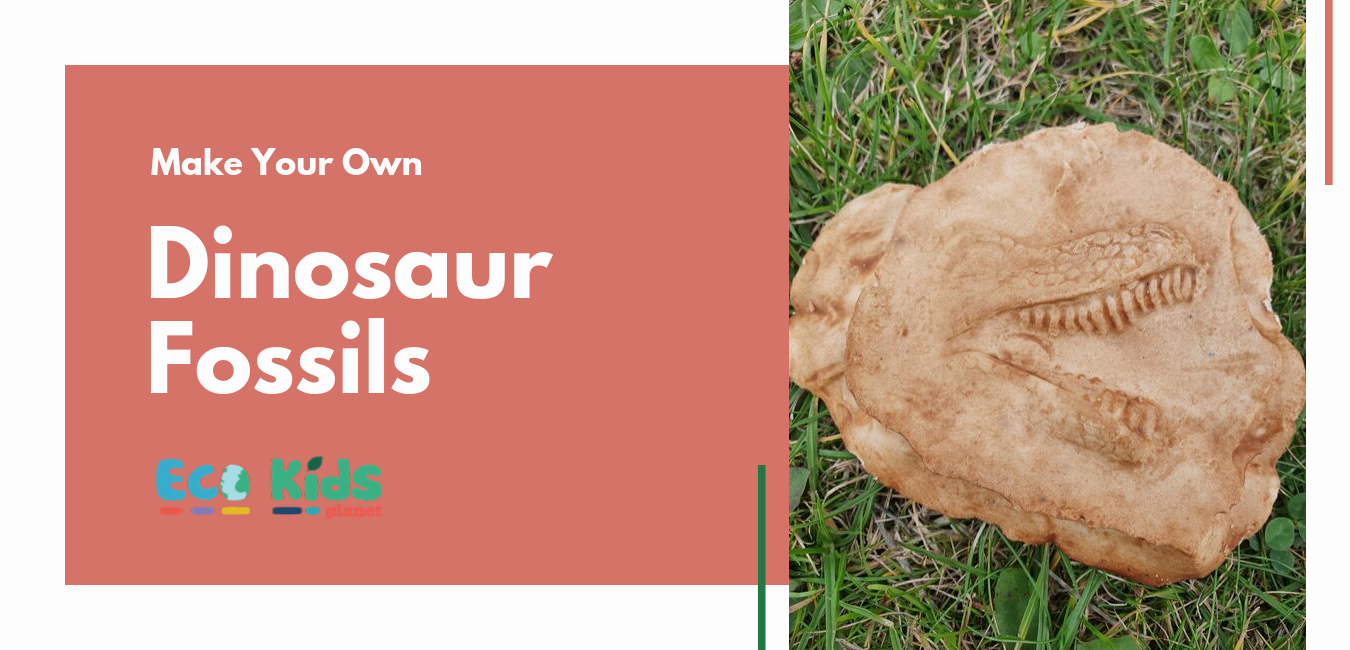
These rock-like relics are sure to bring out your inner palaeontologist. Not only are they fun and tactile to make, but the outcome is really impressive! You can create whatever you like: a fossilised dinosaur, shell or plant!
Step 1: Make a circle out of your clay, saving around a third of it.
Step 2: Gently press the area of your dinosaur that you want to focus on. Usually, the head looks best. Remove the toy.

Step 3: Use your remaining clay to create a circular wall around your dinosaur print. It should look like a little bowl.

Step 4: Prepare the plaster of Paris in your cup, following its instructions. Typically, you mix three parts of powder to every two parts of water. Give it a good stir.
Step 5: Pour the plaster of Paris mixture into the centre of the fossil. Don’t fill it any higher than your wall. Wait at least two hours for it to dry.

Step 6: Gently peel away the clay from the sides and front of the fossil. Leave to dry for another 12 hours. Don’t worry if you still have some clay stuck to the fossil – it will easily come off when dry.
Step 7: Once dry, use the end of a paintbrush to gently scrape away any clay.
Step 8: With the help of an adult, make a small amount of coffee. Use this to paint your fossil. This will make it look ancient and made from real rock. Ta-da! Your fossil is complete!

Comments will be approved before showing up.


This competition asked you to design a secret egg hidden somewhere in nature, and your entries went far beyond the obvious nests and burrows. Eggs arrived disguised as pine cones, floating on leaf boats, perched on volcano ledges, tucked into cloud cover and even masquerading as chocolate Easter eggs to fool foxes. Thank you to every reader who took up the challenge and thought like a parent bird, fish, reptile or imaginary creature trying to keep their precious egg safe.

We were swept away by the response to this competition. Letters arrived from rivers across the world – the Thames, the Mississippi and many more unnamed waterways – each one brimming with personality, passion and a genuine love of the natural world. You gave your rivers voices that were worried, hop...