
Your Cart is Empty
Thank you to all the budding poets who entered our Nature Riddle competition. We have lots of fun solving your enigmatic rhymes. Some were easy to guess, while others were, indeed, like nature’s greatest mysteries!
Congratulations to our five lucky winners!
Emilia, age 7, Dundee
Jean, age 10, Castle Douglas

Lauren, age 10, Sheffield

Phoebe, age 8, Gainford

Soumia, age 10, Sheffield

The five lucky winners won a super-fun riddle collection with over 300 brainteasing riddles creatively designed to not only get children laughing and exploring their goofy side, but also to promote functional problem solving. Playing and learning can go together!

Amy, age 10, Sheffield

Bowen,age 10, Southampton

Elizabeth,age 9, Winchester

Felix, age 6, Chesterfield

Francesca, age 10, Devon

Grace, age 9, Derbyshire

Iris, age 9, York

Isla, age 9, Corsham

Ismaeel, age 10, Leicester
Isobel, age 7, London

Jack, age 6, Bristol

Jessica, age 11, Kent

Joni, age 7, Suffolk
Julia, age 10, Oxford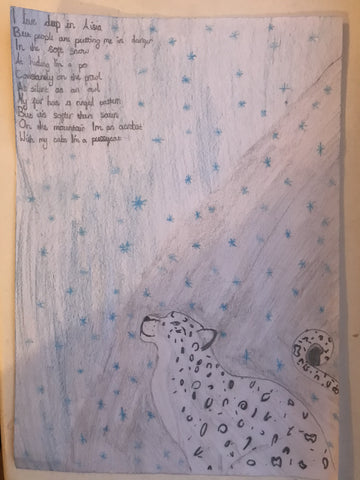
Mehali & Praneet Karania, Hounslow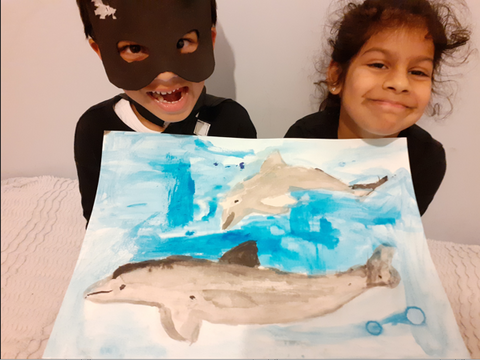

Mustafa, age 7, Sheffield
Comments will be approved before showing up.

Thank you to everyone who sent in an entry for the African Animal Postcard competition, published in our Wild Africa: A Continent in Motion issue. You sent us postcards from every corner of Wild Africa – Ethiopian wolves hunting mole rats through mountain mist, flamingo chicks marching across soda l...

You've been designing brilliant new contenders for the Astonishing Amazon Animal Showdown – piranhas with jaws that regrow in whole quarters, a hoatzin that ferments its dinner in a throat pouch, a tailless whip scorpion that senses danger through its legs, and a jaguar with one of the most powerful bites of any mammal. Thank you to every reader who did the research and made the case for their champion.


