Your Cart is Empty

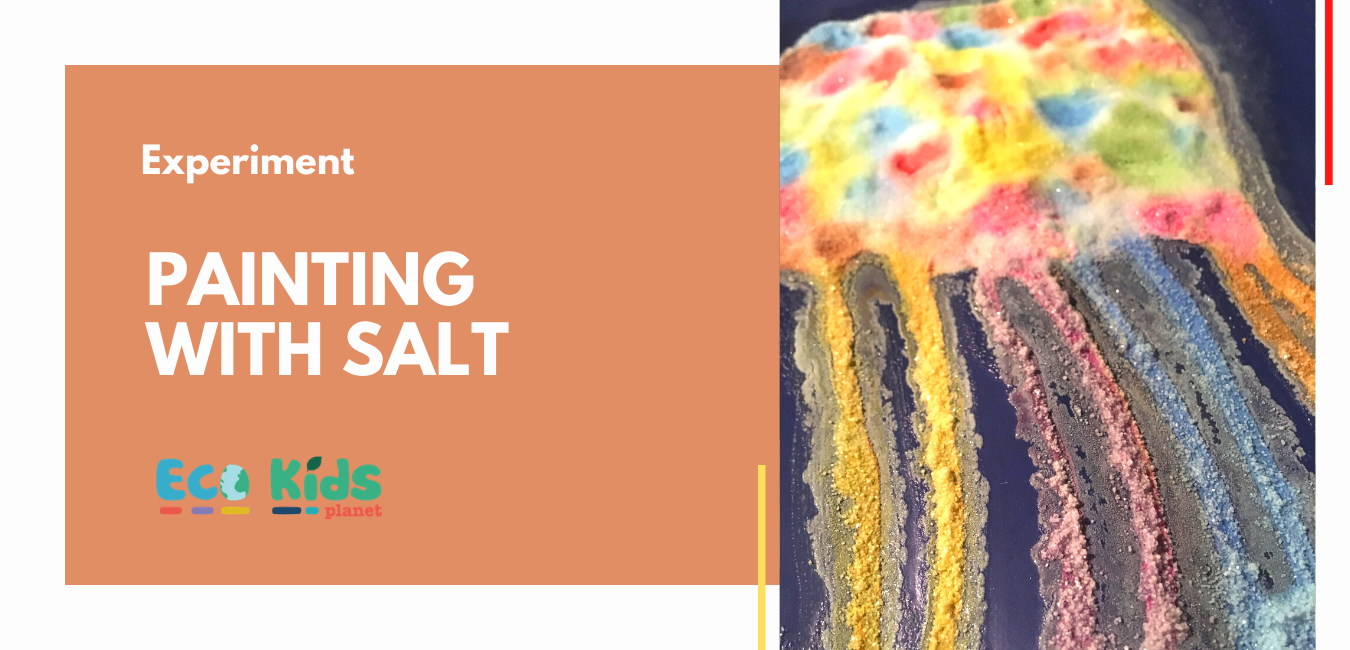
Using salt in your artwork feels very special. It’s an ingredient that we don’t often use for crafts, but it gives wonderful results. When your picture is dry, it will look like it’s made from crystals!

Step 1: Prepare your work surface. Decide which animal you want to create and draw a rough outline in pencil.

Step 2: Give your glue a good shake. Squeeze out the glue along the outline of your drawing.

Step 3: Use a paintbrush and gently spread the glue to fill the inside of your picture. You may need to add a bit more glue.

Step 4: Pour salt over all the areas covered with glue.

Step 5: Shake off any excess salt. Mix your paint with water and dab your paintbrush into the salt. Watch as the salt absorbs the colour and it spreads across the page.

Step 6: Leave to dry. Once dry, give your picture another gentle tap to shake off any excess salt. Your picture looks like it’s made from crystals!

Comments will be approved before showing up.

Thank you to everyone who sent in an entry for the African Animal Postcard competition, published in our Wild Africa: A Continent in Motion issue. You sent us postcards from every corner of Wild Africa – Ethiopian wolves hunting mole rats through mountain mist, flamingo chicks marching across soda l...

You've been designing brilliant new contenders for the Astonishing Amazon Animal Showdown – piranhas with jaws that regrow in whole quarters, a hoatzin that ferments its dinner in a throat pouch, a tailless whip scorpion that senses danger through its legs, and a jaguar with one of the most powerful bites of any mammal. Thank you to every reader who did the research and made the case for their champion.