Your Cart is Empty

Liven up your garden with wild visitors! Here’s how to attract wildlife into your garden and help it survive through the winter.
 When temperatures are freezing, a lot of water sources ice up. This makes it difficult for wildlife to have a drink. Toxic gases can also build up in a frozen pond, and these are very harmful to hibernating frogs. If your pond freezes, pop the kettle on and fill a saucepan with hot water. Place this on your pond until a hole has melted that’s big enough to allow wildlife to enter and exit. Never smash or break the ice, because this sends shockwaves into the water, which can harm wildlife.

Give your bird feeders and birdbaths a good clean out with a brush, hot water and eco-friendly disinfectant. Empty out any old nesting material from nesting boxes. This helps stop diseases from spreading, keeping birds healthy over winter.
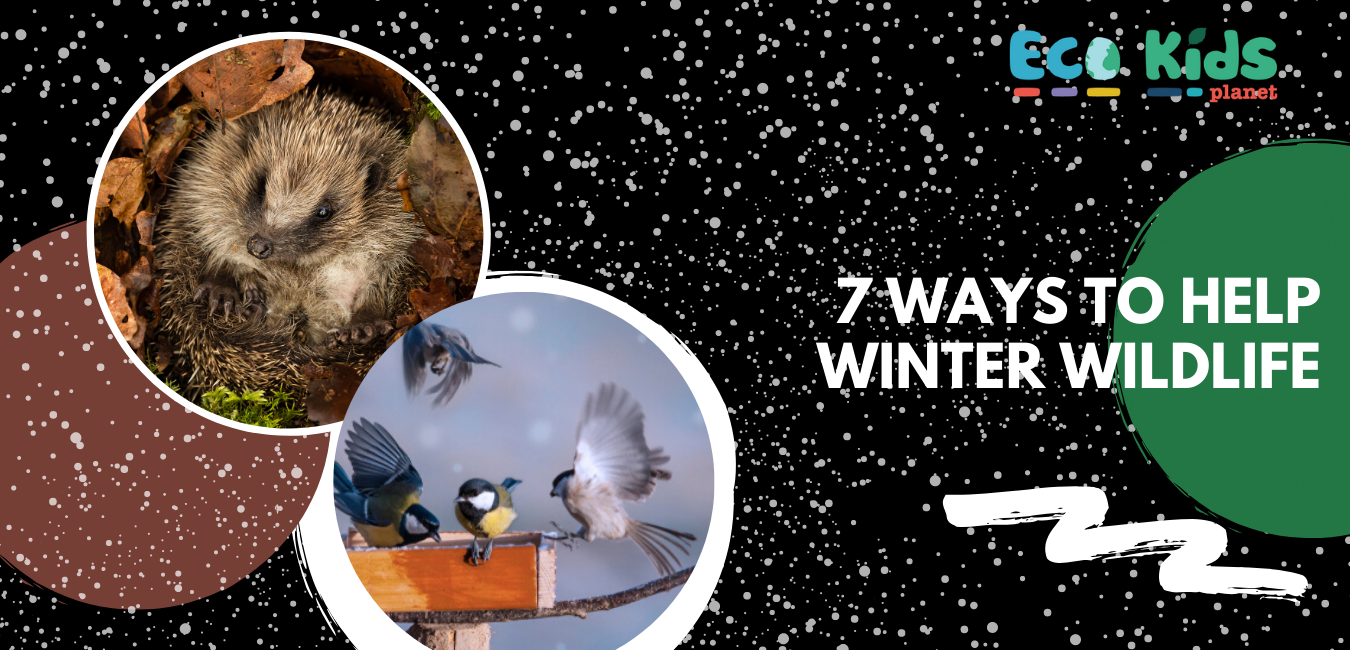
 Collect fallen leaves and place them underneath hedges and shrubs, or pile them up in a quiet area of your garden. This can provide a safe home for hedgehogs, and attract important insects for hedgehogs, frogs and birds to munch on!
 If you want to build something more appealing to hedgehogs, give our recycled hoggy home a go. Hedgehogs usually hibernate from now through to March/April, so now is a great time to prepare them a cosy, safe home. Don’t forget to leave a hole or gap in your fence or gate to allow your hedgehog to get in and out!
 Don’t worry about cutting back or pulling up ivy plants. Garden mess and flowers are loved by many insects over winter, because they act as important sources of pollen. Ivy flowers over the colder months so is a vital food source for them.
 Nuts, berries, seeds and grubs are getting harder for our feathered friends to find. Top up your feeders with sustainably-sourced bird seeds, dried mealworms or wax worms, or try making our pinecone bird feeders.
 Hedgehogs, dormice and foxes will appreciate fresh water and food being put out. You could use dog or cat food (not fish-based), sunflower seeds and nuts. Please don’t give them milk and bread, though, because it can cause diarrhoea and dehydration. If you have any fruit-bearing trees in the garden, leave fallen apples and pears for woodpeckers, foxes and badgers. Badgers love unsalted peanuts, too!
Comments will be approved before showing up.

You've been designing brilliant new contenders for the Astonishing Amazon Animal Showdown – piranhas with jaws that regrow in whole quarters, a hoatzin that ferments its dinner in a throat pouch, a tailless whip scorpion that senses danger through its legs, and a jaguar with one of the most powerful bites of any mammal. Thank you to every reader who did the research and made the case for their champion.


This competition asked you to design a secret egg hidden somewhere in nature, and your entries went far beyond the obvious nests and burrows. Eggs arrived disguised as pine cones, floating on leaf boats, perched on volcano ledges, tucked into cloud cover and even masquerading as chocolate Easter eggs to fool foxes. Thank you to every reader who took up the challenge and thought like a parent bird, fish, reptile or imaginary creature trying to keep their precious egg safe.