
Your Cart is Empty
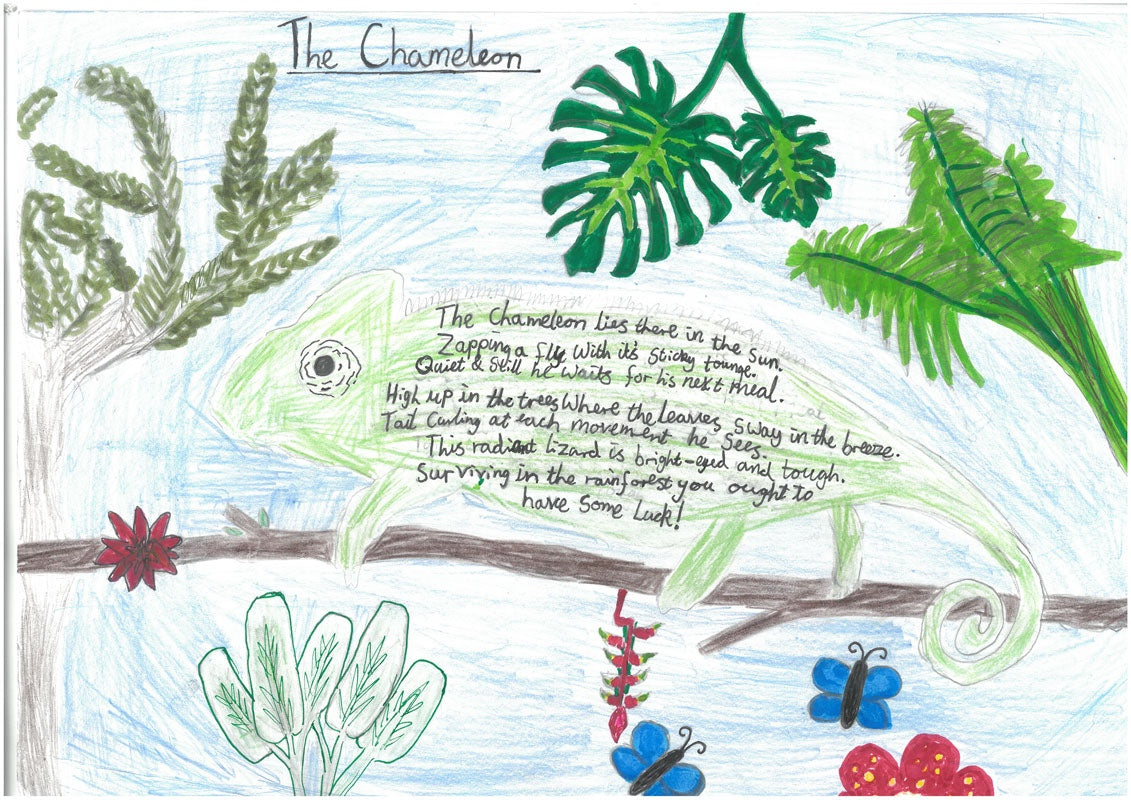
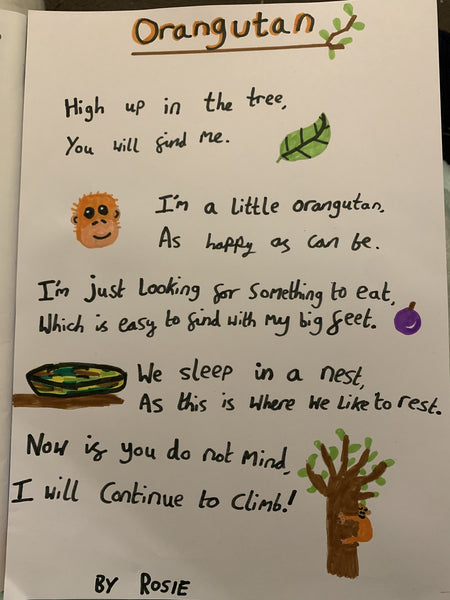
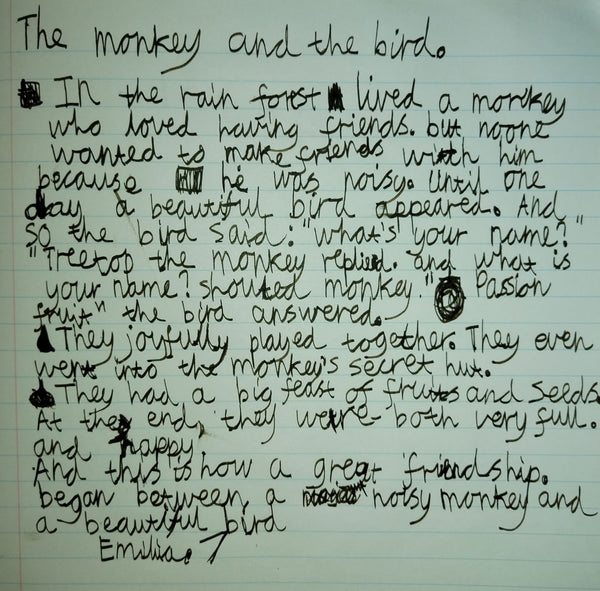
In our January ‘Tree-Dwellers’ issue, we invited you to write a short story or poem. A hearty thank you to all who joined in. Your imaginative pieces were a joy to read.
Orangutan

The iguana and the frog


Sloth
In the depths of the jungle, hangs a creature so slow –
A sloth, so lazy and content, with nowhere to go.
Its fur, a shade of brown, blending with the trees,
Easily overlooked, but oh, it's such a peaceful ease.
With every movement, it takes its time,
No need to rush, no need to climb.
It simply hangs and sways, in its own rhythm and pace,
A reminder to us all, to slow down and embrace.
Its claws are sharp, but oh-so gentle,
Never inflicting pain, never being too forceful.
It eats and sleeps, and that's all it needs,
No worries, no stress, in this life it leads.
A sloth, so simple, yet so wise
Teaching us to live, without any lies.
For in its slow demeanour, there lies a message so true,
Sometimes, it's best to just take a breath and enjoy the view.
Koala

Emilie, age 11, London
Chameleon


Comments will be approved before showing up.

Thank you to everyone who sent in an entry for the African Animal Postcard competition, published in our Wild Africa: A Continent in Motion issue. You sent us postcards from every corner of Wild Africa – Ethiopian wolves hunting mole rats through mountain mist, flamingo chicks marching across soda l...

You've been designing brilliant new contenders for the Astonishing Amazon Animal Showdown – piranhas with jaws that regrow in whole quarters, a hoatzin that ferments its dinner in a throat pouch, a tailless whip scorpion that senses danger through its legs, and a jaguar with one of the most powerful bites of any mammal. Thank you to every reader who did the research and made the case for their champion.


